Donald Trump: The Man Who Changed the Rules
From defying inspectors and mob pressure to weaponizing media and branding, he rewrote business, celebrity, and politics by refusing to fold.
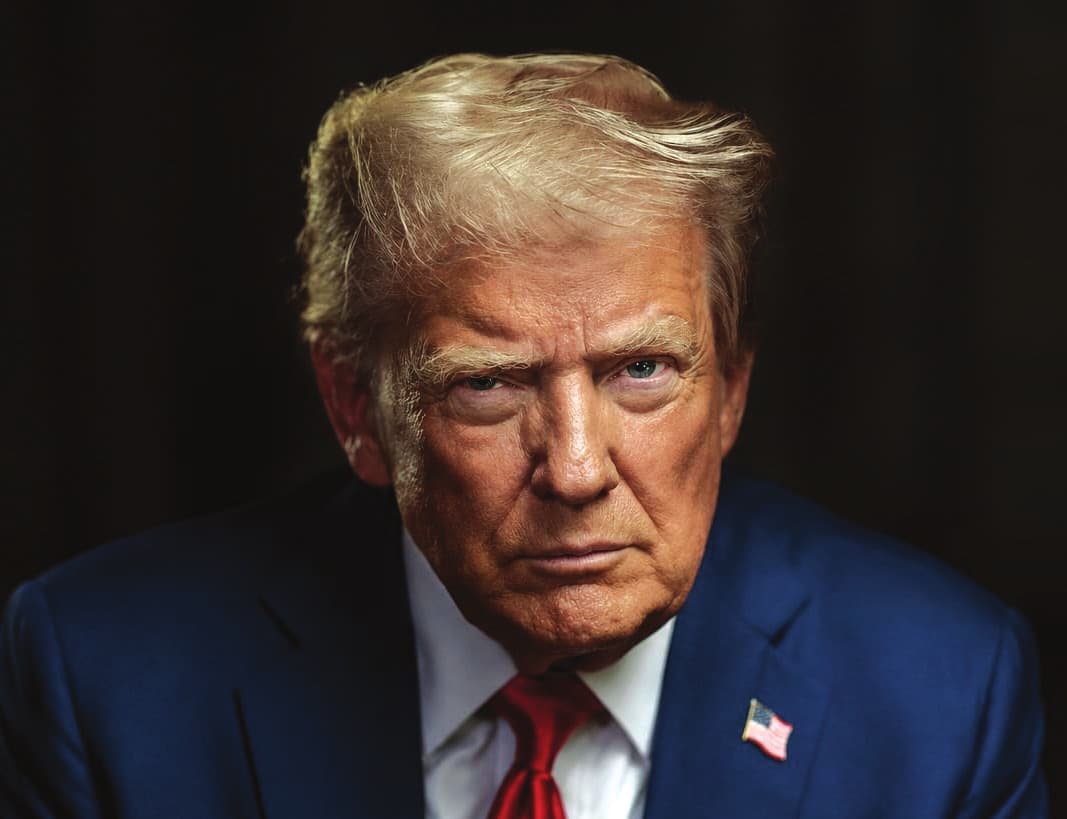
Donald Trump, the ultimate disruptor. From defying inspectors and mob pressure to weaponizing media and branding, he rewrote business, celebrity, and politics by refusing to fold.
The basic philosophy
Trump described his strategy of refusing to pay the property violations he received from inspectors until they disappeared or forgot about them. "From day one, I said f&%k them," Trump said of the inspectors. "When I was in Brooklyn, inspectors would come around and they'd give me a violation on buildings that were absolutely perfect," Trump recalled. "I'd say, 'f&%k you! And they'd give me more violations. And more. And for one month it was miserable."
"I had more violations — and they were unfounded violations. But they give it because what they wanted was if you ever paid 'em off they'd always come back. So what happened to me, in one month they just said, 'f&%k this guy, he's a piece of shit? And they'd go to somebody else. The point is if you fold it causes you much more trouble than it's worth," Trump said.
Of the 435-page book War, written by renowned Washington Post journalist Bob Woodward, this one excerpt describes Trump as at best — and his worst. Aggressive, combative, willing to take on authority when it is against him, willing to over-exert authority when it is with him. As a man, a businessman, as a politician and finally, as the most powerful man in the world, the President of the United States.
Admire him or admonish him, there's one label that even many of Donald Trump's critics would grudgingly accept: DISRUPTOR.
“Admire him or admonish him, there's one label that even many of Donald Trump's critics would grudgingly accept: DISRUPTOR.”
Forward thinking
The term "disruptor" gets thrown around a lot these days. Every startup founder with a pitch deck wants to be one. Every CEO wants to claim they're changing the game. But long before Silicon Valley made "disruption" fashionable, Donald Trump was busy rewriting the rules of celebrity, business, media and, eventually, politics.
In the case of Trump, his disruption began much before his jump into politics. In 2015, he famously came down a golden escalator, descending to the "swamp" of Washington politics, with the promise to drain it of its legacy politics and the men and women who he blamed as the gatekeepers, the elite ruling class. And he did it as a representative of exactly the people who he was asking to "f&%k off" when asked to pay his dues and who voted him in not once but twice.
The attention economy
In many ways, Trump was the first to understand and exploit what is today commonplace on social media — the attention economy. He understood that attention is in itself a business. He was never just a real estate developer either. Trump's real innovation was to see that far ahead. Today, that sounds obvious. Influencers make fortunes from it. YouTubers build empires around it. Tech founders cultivate massive social media followings. But in the 1980s and 1990s, this way of thinking was revolutionary.
Donald Trump's money-maker in this attention economy was Donald Trump. He was one of those real estate moguls and builders who let their structures talk for them. Trump chose to be front and centre. He made himself the story. His name wasn't simply attached to his buildings; it became the product. The giant gold letters on skyscrapers, hotels and casinos weren't just signs. They were an extension of his personality.
“Entire businesses rise and fall on the reputation of their founders. Consumers often buy into personalities as much as products. Donald Trump understood this decades before social media even existed.”
Trump's main character aura
Long before LinkedIn thought leaders and Instagram entrepreneurs, Trump was cultivating a public persona that extended well beyond his industry. He appeared regularly in newspapers, gossip columns and television interviews. He understood something many executives didn't: people understand and relate to characters rather than spreadsheet-scaffolded companies.
Then came television. If New York real estate made Trump rich, reality TV made him famous. The Apprentice debuted in 2004 — a decade before he ran for president — and transformed Trump from a famous and extravagant businessman into a national celebrity. Millions of viewers tuned in every week to watch him judge contestants, dispense advice and deliver the now-iconic phrase: "You're fired." Subconsciously, the show created an image of Trump that he has continued to front in his political career. A carefully curated image of Trump as a decisive, ultra-successful business titan.
Flipping the equation
Business leaders were once expected to be serious, reserved figures, working to maximise profits, dividends, keep shareholders happy. Their company's annual reports mattered more than their kids' annual reports. Trump flipped that equation. His divorces, friendships, feuds and opinions frequently generated more headlines than his business deals. He married three times and filed bankruptcy twice as many times. But it is his maverick lifestyle that made news.
Trump, the textbook disruptor. In your face, impossible to ignore. He made his enemies rankle with irritation and fear his unpredictability. It made him the darling of his supporters who believe that he says it like it is, without thinking about who it will hurt or benefit. That's why separating "business Trump" from "political Trump" is very tough. The two identities are the yin and yang of his being.
The disruptor's legacy
The "Art of the Deal" is not about just real estate but realpolitik. Trump's strong belief that he can get himself and his country the better of any arrangement, any pact, any treaty by being the disruptor, the maverick has driven his presidency as well. He simply walks in and asks everyone to agree or, as he did with the building inspectors, "to f&%k off".
Does that work? So far, it hasn't really gone his way except in a couple of situations like Venezuela. Dealing with Iran or Europe with bluster hasn't really worked out well. But it will be his lasting legacy. Not by inventing or creating anything. But by understanding how to ride trends and recognise a gap that only he can fill.
Donald Trump: the ultimate disruptor of norms, of business, of politics and of the international order.