Sacred Journeys: Spiritual Tourism in Shravan
India's most transformative spiritual journeys during the holy month of Shravan — places that heal, experiences that stay.
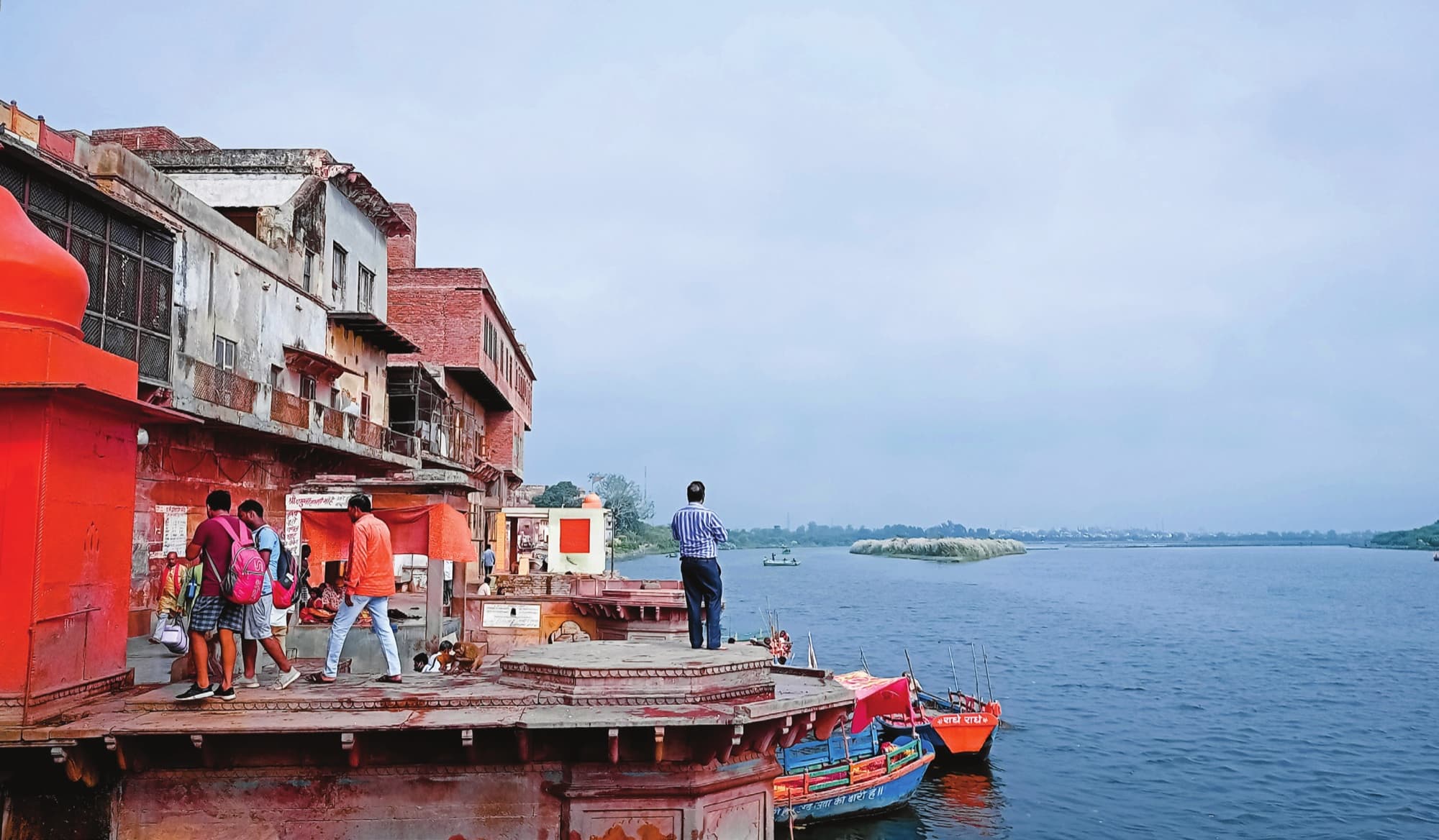
Spiritual tourism in India intertwines faith, heritage, and wellness, with Shravan's pilgrimages showcasing devotion and cultural richness.
Spiritual tourism in India is multifaceted
India is more than monuments, beaches, mountains, and diverse kinds of delectable cuisines. For a civilization deeply rooted in spirituality, there is a unique spiritual energy in every season, but Shravan holds a special significance. In Ashada (mid-June to mid-July), pilgrimage routes come alive with millions of devotees heading towards Puri in Odisha for the annual Rath Yatra (also called the Chariot Festival) and Ultorath, when the presiding deities of the Jagannath temple — Jagannath, Subhadra, and Balbhadra (Balram) head to their aunt's home to recuperate, and return home after nine days.
Note that there are four tithis (dates) in the panchang when you can begin any auspicious work — Akshay Tritiya, Rath Yatra, Ganesh Chaturthi, and Vijay Dashami. It is considered one of India's most spectacular spiritual events, and is one of Hinduism's oldest and grandest religious processions, which the British mistook for some medieval display of power. This misapprehension led to the creation of the word "juggernaut" to imply something unstoppable.
“In Ashada (mid-June to mid-July), pilgrimage routes come alive with millions of devotees heading towards Puri in Odisha for the annual Rath Yatra, when the presiding deities of the Jagannath temple head to their aunt's home to recuperate, and return home after nine days.”
Quaint tradition of the Jagannath Rath Yatra
The gargantuan wooden chariots are decorated beautifully every year before the festival. They are used to carry the deities to the other side of the city. There is a quaint tradition by which a descendant of the former ruling family sweeps the road in front of the Rath with a golden broom. Subsequently, the chariots are pulled through the streets of Puri by devotees chanting prayers and hymns. It is believed that participating in or even witnessing the Rath Yatra brings immense spiritual blessings.
Heightened spiritual activity in Shravan
Shravan (Sawan), on the other hand, is primarily dedicated to Lord Shiva. Spiritual journeys (yatras) during Shravan are a remarkable blend of devotion, tradition, cultural activities, while meditating on natural beauty. Not just yoga enthusiasts and international travellers, but the devout are drawn towards the various shrines and temples from the Himalayas to the manifold temples dedicated to Shiva, and even forms of Ma Durga dotting Bengal and Bihar.
The monsoons change the landscape of India through lush forests, mist-covered ghats, and rain-washed temple towns. In Shravan, Lord Shiva devotees offer holy water, milk, and prayers in temples across the country. Religious yatras in which the devotees carry water drawn from a sacred source such as Garhganga, or Kalighat to pour on the Shivalinga in Tarakeshwar, or Haridwar. The idea is to soothe the burning throat of Shivji, who had swallowed the halahal (poison) which had emerged during the Amrit Manthan.
Varanasi: the eternal spiritual capital
Believed to be among the oldest continuously inhabited cities on earth, Varanasi becomes especially enchanting during Shravan, when it exudes a matchless spiritual intensity. It is a city closely linked with Shiv bhakti, though many associate the city with rich, brocade laden sarees. The evening Ganga Aarti at Dashashwamedh Ghat is one of the most soul stirring experiences, when you feel the sound of bells, incense smoke, and devotional hymns uplifting your soul.
Listening to Vedic hymns on Assi Ghat, or witnessing daily prayers at Kashi Vishwanath Temple, one of the twelve Jyotirlingas of Lord Shiva, would probably be it. Taking a holy dip in the Ganga to cleanse sins and liberate the soul has a special significance in Shravan. Varanasi is also a major center of Indian classical dance and music, and the artists consider their art a medium to achieve oneness with the Almighty.
Haridwar and Rishikesh: where spirituality meets wellness
Haridwar and Rishikesh are located along the banks of the Ganga in Uttarakhand, of which Haridwar is considered one of Hinduism's holiest cities. It is here that thousands of devotees walk barefoot for the Kanwar Yatra during Shravan, carrying Ganga water to offer at Shiva temples. Attend the evening aarti conducted by devotees on the city's famous Har Ki Pauri Ghat.
On the other hand, Rishikesh is called the "Yoga Capital of the World," and offers a different spiritual experience. Nestled amidst green Himalayan foothills, the river Ganga is at its cleanest here before it enters the plains. There are ashrams in Rishikesh offering yoga retreats, spiritual discourses, Ayurvedic therapies, and meditation programs for those looking for mental peace and physical health.
Amarnath Yatra: the Himalayan pilgrimage of faith
Pilgrims to the Amarnath Yatra in Jammu and Kashmir need to be hardy, more than devout, as the yatra is an arduous trek through rugged Himalayan terrain to the sacred Amarnath Cave, after traversing snow-covered mountains, narrow valleys, and unpredictable weather conditions. It is properly accessible only during July and August. Within the cave is a naturally formed ice Shivling, which is worshipped as a manifestation of Lord Shiva. The journey is deeply spiritual and transformative.
Bodh Gaya: the land of enlightenment
Bodh Gaya is intrinsically connected with Buddhism in the popular mind as most people have grown up on stories of how Siddhartha Gautam of the Shakya clan became enlightened when he was meditating under the sacred Bodhi tree over 2,500 years ago. Visit the brick Mahabodhi Temple complex, a UNESCO World Heritage Site, to make the most of the calm atmosphere which helps create an environment ideal for mindfulness and introspection.
Shirdi: faith beyond religion
Shirdi is inextricably associated with Sai Baba. The faithful flock there in lakhs more than a century since his passing. Millions continue to be motivated by Sai Baba's teachings of charity, compassion, humility, and communal harmony. The Sai Baba Samadhi Mandir draws devotees from all religions, making Shirdi a unique example of inclusive spirituality.
Mathura and Vrindavan: the divine land of Krishna
The twin cities of Mathura and Vrindavan are intrinsically intertwined with Krishna bhakti, the devotion of Lord Krishna. During the monsoons, these cities are especially beautiful with peacocks dancing and the fragrance of flowers arising from every corner. These cities abound in temples, with bhajans, colorful rituals, and devotional celebrations livening up the days, and the evenings to create a magical spiritual atmosphere. With Raksha Bandhan completing the month, and Krishna Janmashtami round the corner; Shravan becomes special here.
The rise of Teerth Yatras in India
Teerth yatra, going on pilgrimages has always been a part of the Indian ethos, and way of life. However, in recent years, India's spiritual tourism sector has witnessed a boom feeding off improved highways, increased number of airports, greater railway connectivity, and the rise of digital bookings. The government too has introduced initiatives to make pilgrimage travel better organized and more accessible to more people across a wider geographical area.
Increased interest in wellness, yoga, meditation, and spiritual retreats has arisen out of stress filled modern lifestyles in which anxiety, and digital overload have played a major role. Now, even international tourists are increasingly visiting India not just for sightseeing, but also to participate in transformative experiences like yoga retreats, Ayurveda healing, temple stays, pilgrimages, Buddhist learning, and ashram experiences.
Newer dimensions
Spiritual tourism in the sacred monsoon month of Shravan is far more than travelling from one temple to another. Experience faith in its living form — chants echoing on riverbanks, pilgrims walking barefoot in the rain, monks meditating in silence, temple bells ringing through ancient streets — to understand that devotion has not vanished in the 21st century. It has merely changed form, and the youngsters are rediscovering the grandeur of the Jagannath Rath Yatra in Puri; the calmness gained from meditating under the Bodhi Tree in Bodh Gaya; witnessing Ganga Aarti in Varanasi; gaining fine health by practicing yoga in Rishikesh; and trekking to the Amarnath Caves.
In India, spirituality is not confined to places of worship. It flows through rivers, mountains, music, rituals, festivals, and everyday life.