Dev Anand — The Eternal Romantic
September celebrates legends of old Hindi music. This month, we spotlight Dev Anand — actor, producer, style icon. From Ziddi to Guide, his Navketan films with S.D. Burman gave us timeless songs and defined sophisticated, restless masculinity in Indian cinema.
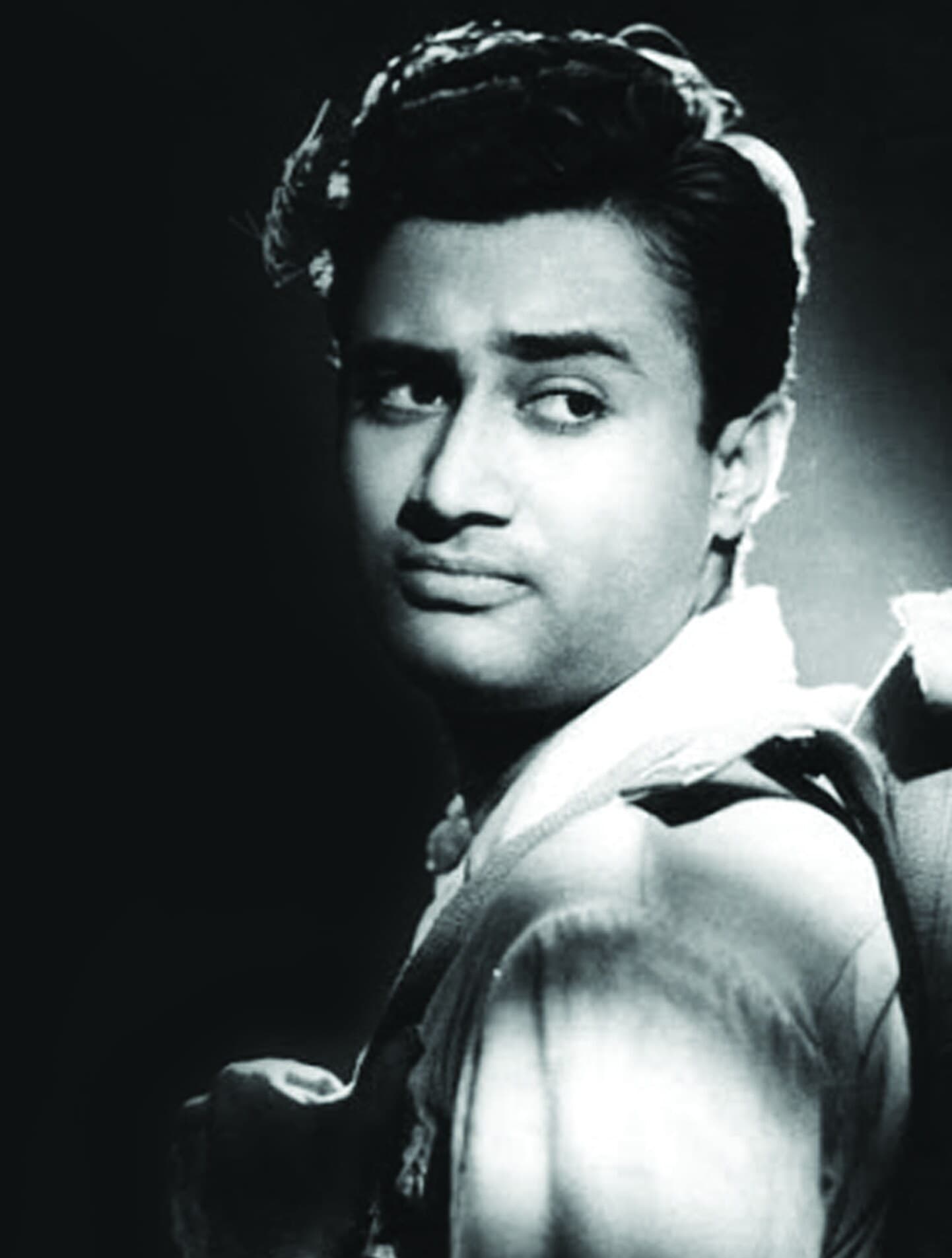
September celebrates legends of old Hindi music. This month, we spotlight Dev Anand — actor, producer, style icon. From Ziddi to Guide, his Navketan films with S.D. Burman gave us timeless songs and defined sophisticated, restless masculinity in Indian cinema.
September is a rather "heavy" month from the perspective of a seeker of old Hindi film music like me. Lata Mangeshkar, Asha Bhosle, Sadhana, Tanuja, Dev Anand, Hrishikesh Mukherjee and Jagmohan Sursagar were all born in September. Each is a treasure in that seeker's endless hunt. I have chosen Dev Anand and his songs as my pursuit for this month.
Dev Anand was not merely a successful film star. He was an attitude, a rhythm and an idea of sophisticated masculinity in his time. His swept-back hair, bright scarves, tilted walk, rapid dialogue delivery and irrepressible smile created a screen personality that was instantly recognisable. Yet behind the celebrated persona stood a consummate actor, an adventurous producer and a man obsessively in love with life.
Born Dharamdev Pishorimal Anand on 26 September 1923 in Shakargarh, in undivided Punjab, he studied English at Government College, Lahore. Drawn towards films, he moved to Bombay. He initially worked at the military censor's office, reading letters written by soldiers to their families. His first film, Hum Ek Hain, appeared in 1946, but real recognition came when Ashok Kumar helped him secure the leading role in Bombay Talkies' Ziddi in 1948. Its success gave Dev the confidence to become not just an actor but also a producer. Soon afterwards, in 1949, he established Navketan Films, creating one of Hindi cinema's most influential banners. He was just 26. Navketan allowed Dev Anand to build a distinctive cinematic world.
“From Yeh Raat Yeh Chandni to Phoolon Ke Rang Se, Dev Anand's cinematic journey was inseparable from some of Hindi cinema's greatest songs. This nostalgic tribute explores the magic of the actor, the music and the era they defined.”
The triumvirate of Navketan Films, Dev Anand and S.D. Burman produced some of Hindi cinema's greatest musicals. Baazi, Jaal, Taxi Driver, House No. 44, Paying Guest, Kala Bazar, Nau Do Gyarah and Kala Pani not only defined successful cinema but also transformed him into the quintessential urbane hero. These films were not only superhits but also featured some of the most memorable songs, thanks to the enduring partnership between Dev Anand and S.D. Burman: Tadbir Se Bigdi Huyi Taqdeer Bana Le (Baazi), Yeh Raat Yeh Chandni Phir Kahan (Jaal), Jaayen To Jaayen Kahan (Taxi Driver), Chand Phir Nikla, Maana Janaab Ne Pukara Nahin and O Nigahen Mastana (Paying Guest), Hum Bekhudi Mein Tumko (Kala Pani) and my all-time favourite Lata Mangeshkar number, Phaili Huyi Hain Sapnon Ki Baahen (House No. 44).
But two films from this triumvirate stand apart in the category of "all songs hit" films—Guide and Prem Pujari. Guide was a milestone in the history of Indian cinema from multiple perspectives. Its unforgettable songs include Kaanton Se Kheench Ke Yeh Aanchal, Piya Tose Naina Laage Re, Din Dhal Jaaye, Tere Mere Sapne, Gaata Rahe Mera Dil, Mose Chhal Kiye Jaaye and Wahaan Kaun Hai Tera. Prem Pujari did not succeed at the box office, but every one of its songs became a hit: Prem Ke Pujari Hum Hain, Shokhiyon Mein Ghola Jaaye, Dungi Tainu Reshmi Rumaal, Taaqat Watan Ki Humse Hai, Rangeela Re Tere Rang Mein and, of course, Phoolon Ke Rang Se. The last song, shot in Switzerland, was originally based on a Bengali composition by S.D. Burman, Barne Gandhe Chhande Gitite, which, incidentally, was penned by Burman Da's wife, Meera Dev Burman.
Dev Anand ruled Hindi cinema during the 1950s. In that decade alone, he acted in 48 films, mostly as the lead actor. Although the number of films he made declined thereafter, he continued to deliver major hits over the next 15 years, including Hum Dono, Asli Naqli, Tere Ghar Ke Saamne, Teen Devian, Jewel Thief, Gambler, Tere Mere Sapne, Hare Rama Hare Krishna, Banarasi Babu and Chhupa Rustam. His acting style divided critics but delighted audiences. He nodded, leaned, gestured and spoke at a breathless pace, as though remaining still would allow life to overtake him. Young men copied his puffed hairstyle, clothes, gait and speech, while women responded to a romanticism that was flirtatious without appearing threatening. He was frequently a taxi driver, journalist, gambler, guide, black-marketeer, fugitive or detective rather than a conventional aristocratic romantic lead. Even when his characters operated outside the law, they possessed charm, vulnerability and an instinctive decency.
“He walked with a tilt, spoke with unmatched energy and smiled as though life itself were an adventure. Dev Anand was more than a film star—he was an enduring phenomenon. A tribute to the man and the music that made him immortal.”
Dev Anand's romance with singer-actress Suraiya was the great heartbreak of his youth. They worked together in several films and fell deeply in love, but Suraiya's family—particularly her grandmother—opposed the relationship. As a result, the two could not marry, and Suraiya remained unmarried throughout her life. In 1954, Dev Anand married his Taxi Driver co-star Kalpana Kartik, born Mona Singha. The wedding took place with extraordinary secrecy during a shooting break: a registrar was brought to the studio, the couple signed the documents and returned to work. Much later, Dev wrote in his autobiography, Romancing with Life, that he had developed intense feelings for Zeenat Aman.
Dev Anand's optimism was not merely a publicity pose. Even when his later films failed, he continued writing, directing and planning new projects. He encouraged new performers and filmmakers because he regarded cinema as a constantly renewing medium rather than a private kingdom. Dev Anand received the Padma Bhushan in 2001 and the Dadasaheb Phalke Award for 2002. He died in London on 3 December 2011, still discussing future films.
Dev Anand never seemed to be concluding anything. He was always entering another frame, pursuing another story and walking—jauntily, rapidly and stylishly—towards tomorrow.