Burden Behind the Crown
Society expects women to stay perfect while judging their looks more than their achievements. Bodies change through life — puberty, motherhood, ageing. The double standard is real.
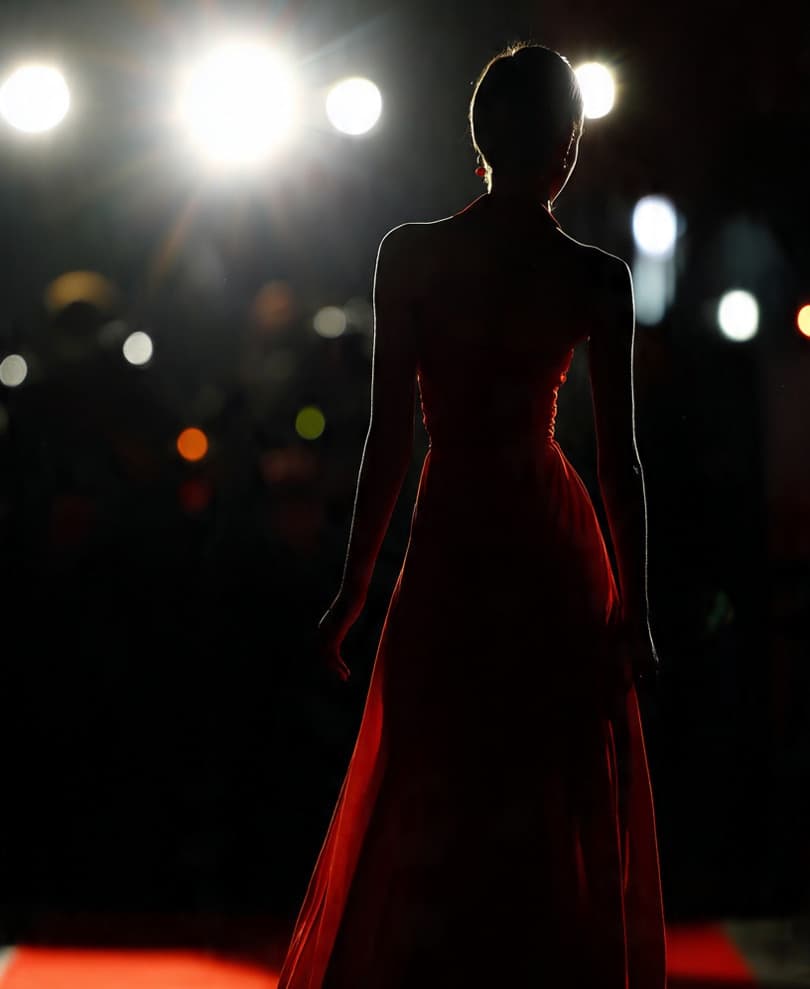
More than the mirror reflects for centuries, the female body has been a subject of public conversation. How does she look? How does she dress? Has she gained weight? How does she still look so young? Somewhere between societal expectations and impossible beauty standards, women continue to carry the burden of looking perfect.
The recent online trolling and body shaming directed at Aishwarya Rai Bachchan once again exposed an uncomfortable truth: a woman's appearance is often judged more harshly than her accomplishments, intelligence, resilience, or individuality. Here is a woman who has represented India on global platforms for decades with grace and distinction, yet conversations around her frequently return to ageing, weight fluctuations, or physical changes.
“The recent online trolling and body shaming directed at Aishwarya Rai Bachchan once again exposed an uncomfortable truth: a woman's appearance is often judged more harshly than her accomplishments, intelligence, resilience, or individuality.”
But perhaps the more important question is this: why are women expected to remain unchanged when life itself is constantly changing them? A woman's body undergoes profound transformations throughout her life. Puberty, menstruation, pregnancy, childbirth, postpartum recovery, hormonal fluctuations, menopause, stress, caregiving responsibilities, and ageing are not cosmetic inconveniences. They are deeply human experiences that leave visible and invisible marks.
The motherhood paradox
Motherhood alone can reshape a woman's physical, emotional, and mental landscape in ways society rarely acknowledges with empathy. Yet women are expected to "bounce back," maintain youthful appearances, build careers, raise families, manage households, and remain the emotional anchors for everyone around them.
The double standard of ageing
What makes this expectation even more troubling is the double standard attached to ageing. In men, age is often associated with experience, authority, and charisma. In women, it is too often treated as decline. The message is subtle but persistent: a man's value grows with time, while a woman's value diminishes if her appearance changes.
Why must women continually prove their worth through their appearance? Why is natural ageing accepted in men but scrutinized in women? Why are women denied the dignity of simply existing without commentary on how they look? Women do not owe the world eternal youth. They do not owe perfection. They do not owe beauty standards an apology for ageing naturally. What they deserve is respect. What they deserve is dignity. What they deserve is freedom from constant judgment.
The damage of body shaming
Body shaming is often dismissed as humour, casual banter, or harmless criticism. In reality, it can be deeply damaging. It affects confidence, self-worth, mental well-being, and the way individuals perceive themselves. Millions of women grow up under the weight of unrealistic beauty ideals, constantly feeling pressured to improve, shrink, alter, or reinvent themselves in pursuit of approval.
In an age where social media amplifies both visibility and scrutiny, the need for sensitivity and compassion has never been greater. Conversations around women's bodies must move beyond criticism and towards understanding.
The role of public figures
This is where public figures can play an important role. Across the world, especially in smaller towns and cities, countless young women look up to celebrities as role models. When women in the public eye embrace life's natural changes with confidence and grace, they challenge narrow definitions of beauty and create space for healthier conversations.
“Figures such as Aishwarya Rai Bachchan, who continue to carry themselves with poise despite relentless public scrutiny, remind us that beauty is not the absence of change. It is the confidence to embrace it.”
Perhaps true empowerment will begin the day society stops measuring women by their appearance and starts valuing them for their humanity.