Alzheimer's Disease — A New Dawn of Hope
Few medical conditions evoke as much fear as Alzheimer's disease. Understanding the past, embracing the present and looking towards the future, Dr. Yuvraaj Singh explains why a once-untreatable disease is entering a new era of scientific discovery — and genuine hope.
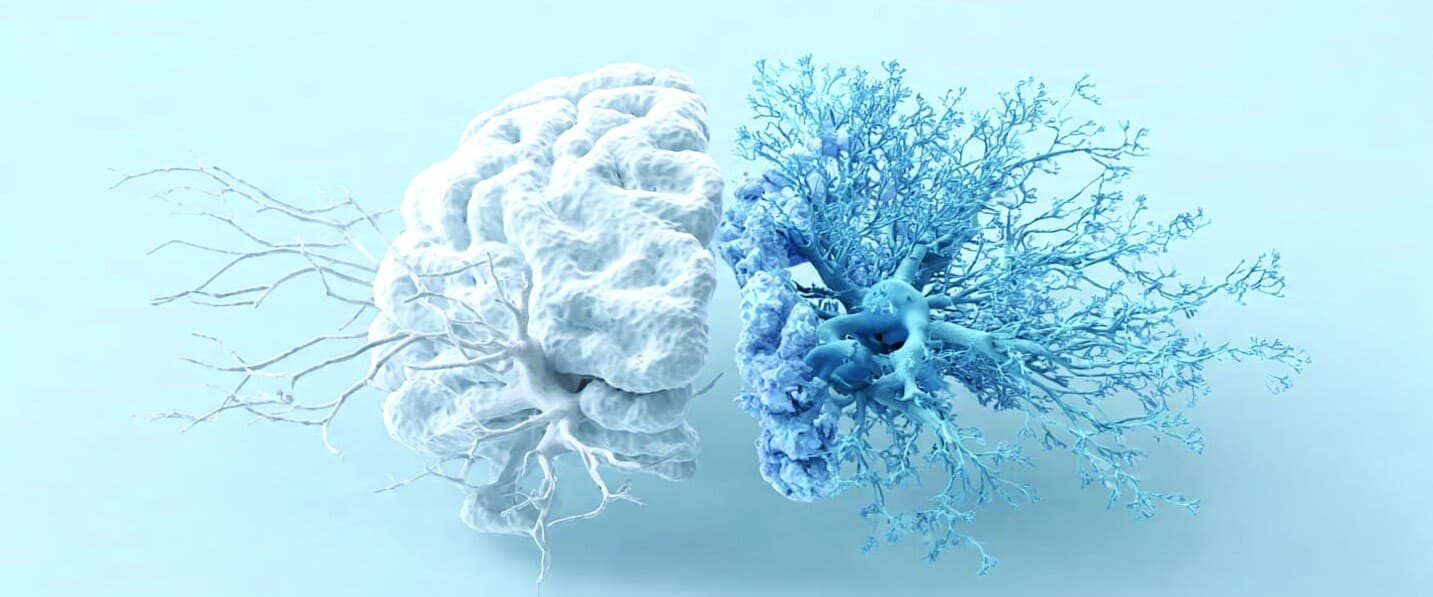
Understanding the past, embracing the present, and looking towards the future. Few medical conditions evoke as much fear as Alzheimer's disease.
For decades, Alzheimer's disease was viewed as an inevitable consequence of ageing, for which medicine had very little to offer. Physicians could diagnose it, prescribe medications that provided modest symptomatic relief, and support families through what was often an emotionally overwhelming journey. The diagnosis was frequently accompanied by a sense of helplessness, as both doctors and patients accepted that little could alter the course of the disease.
Today, however, we find ourselves standing at the beginning of a remarkable new chapter.
While Alzheimer's disease remains one of medicine's greatest challenges, our understanding of it has advanced more in the past decade than at any other time in history. What was once considered an untreatable disease is now the focus of unprecedented scientific research, offering genuine reasons for optimism.
One of the most important discoveries has been the realisation that Alzheimer's disease does not begin when memory loss first appears. The biological changes responsible for the disease often start silently, sometimes fifteen to twenty years before the first symptoms become noticeable. During this period, abnormal proteins gradually accumulate within the brain, inflammation develops, nerve cells become damaged in small, isolated areas that gradually spread to involve larger regions of the brain, and communication between brain cells begins to deteriorate.
“Alzheimer's is shifting from inevitable to treatable. Early detection through biomarkers and imaging, plus new therapies that slow decline, offers real hope. Brain health now ties to whole-body health, giving families more time, options, and support than ever before.”
This shift in understanding has completely transformed how we approach Alzheimer's disease. Instead of waiting for significant memory impairment before intervening, modern medicine is increasingly focused on identifying individuals at risk much earlier, when meaningful intervention may have the greatest impact.
Advances in brain imaging, blood-based biomarkers, and sophisticated laboratory testing are making earlier diagnosis more achievable than ever before. Investigations that once required invasive procedures are gradually being complemented by simpler and more accessible diagnostic tools. Early detection provides patients and families with valuable time—not only to plan for the future but also to benefit from therapies and lifestyle interventions at a stage when they may be most effective.
Perhaps the most exciting development has been the emergence of disease-modifying therapies. Until recently, available medications were aimed primarily at temporarily improving symptoms. Today, newer therapies have demonstrated the ability, in carefully selected patients, to reduce amyloid plaques in the brain and modestly slow the progression of cognitive decline. Although these treatments are not cures and are not suitable for everyone, they represent a historic milestone. For the first time, medicine has begun moving beyond simply managing symptoms towards altering the underlying disease process itself.
“Once considered an untreatable disease, Alzheimer's is entering a new era of scientific discovery. From early detection to disease-modifying therapies, medicine is offering hope where little existed before.”
Equally encouraging is our growing understanding that brain health is influenced by the overall health of the body, which in turn reflects the complex interactions between the immune, hormonal, and metabolic systems.
Conditions such as diabetes, hypertension, obesity, sleep disorders, hearing impairment, physical inactivity, smoking, and vascular disease are increasingly recognised as important contributors to cognitive decline. Protecting the brain therefore extends far beyond crossword puzzles and memory exercises. It includes controlling blood pressure, maintaining healthy blood sugar levels, engaging in regular physical activity, prioritising restorative sleep, eating a balanced diet, remaining socially connected, and challenging the mind through lifelong learning.
This holistic view of brain health is perhaps one of the greatest strengths of modern medicine. We no longer see Alzheimer's disease solely as a neurological condition. We increasingly recognise it as a complex disorder influenced by genetics, metabolism, vascular health, inflammation, and lifestyle—each offering opportunities for prevention and intervention.
An increasing body of evidence suggests that interactions between the gut microbiome, the immune system, systemic inflammation, and neuroinflammation may play an important role in the development of Alzheimer's disease. Several early clinical studies have shown promising results, although further research is needed before these findings can be translated into routine clinical practice.
“A diagnosis of Alzheimer's no longer means there is nothing to be done. Explore the remarkable scientific breakthroughs that are reshaping the future of brain health and dementia care.”
As physicians, this transformation gives us renewed optimism.
Throughout medical history, we have witnessed diseases once considered untreatable gradually become manageable because science continued to ask better questions. Heart attacks that were once frequently fatal are now routinely treated. Many cancers have become increasingly curable. Chronic viral infections that once carried devastating consequences can now be effectively controlled.
While robust scientific evidence remains the foundation of medical progress, pioneering clinicians continue to refine practical treatment approaches through their daily clinical experience, many of which subsequently become the subject of formal scientific evaluation.
Alzheimer's disease is now entering that same era of scientific transformation.
Progress will not happen overnight, and significant challenges undoubtedly remain. However, every new discovery deepens our understanding, every clinical trial moves the field forward, and every breakthrough brings us closer to more effective therapies.
To families caring for a loved one living with Alzheimer's disease, I offer this message of reassurance.
While memories may fade, the capacity for love, comfort, music, gentle touch, familiar voices, and human connection often remains remarkably resilient. Your patience, compassion, and presence continue to have profound meaning, even when words become difficult. The journey may be challenging, but you are not walking it alone. Healthcare professionals, caregivers, support groups, and an ever-expanding body of medical knowledge stand beside you.
Medicine has always progressed through hope supported by science.
Today, that hope has never been stronger.